
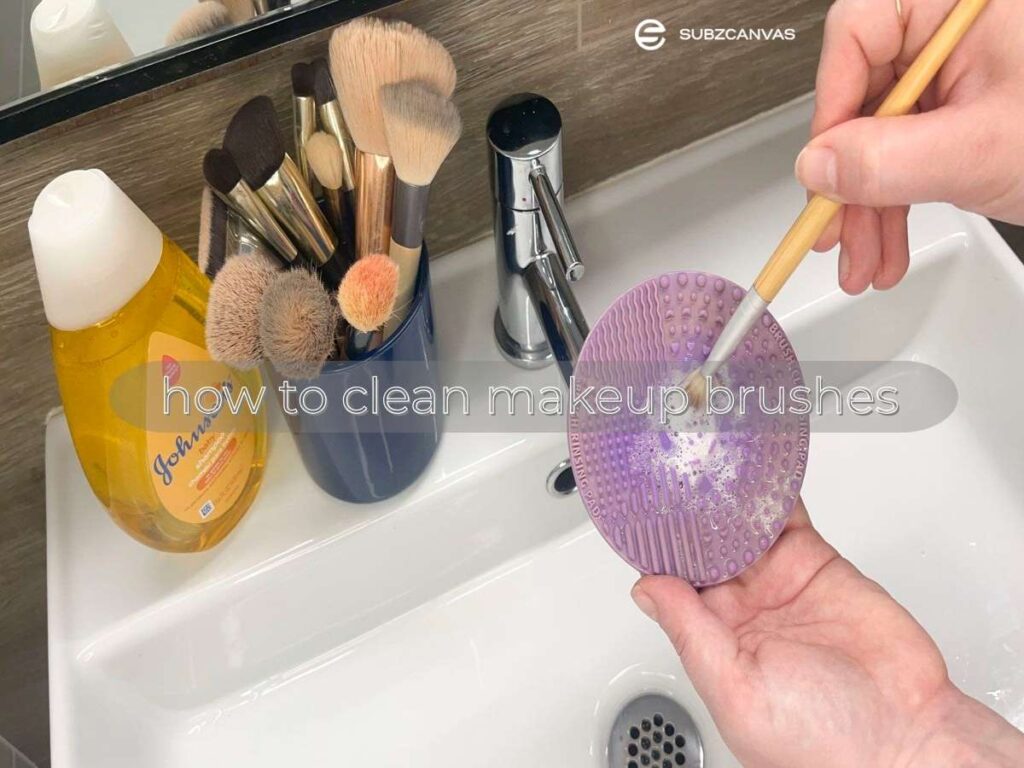
How to Clean Makeup Brushes: The Ultimate Guide for Spotless, Safe Brushes
How to clean makeup brushes is important for every beauty lover. Dirty brushes bring bacteria to your face, cause breakouts, and makeup does not apply smoothly. Clean them regularly, skin stays healthy, and the colours look fresh.
Use gentle soap and warm water for daily cleaning. Wet brush, swirl in soap, rinse well until water is clear. Or buy a makeup brush cleaner from the store for a quick job. For deep cleaning makeup brushes, soak them in a mix of vinegar and water sometimes.
Dry brushes flat on a towel, bristles down (never stand up, shape gets bad). At a Unisex Salon, this method keeps brushes safe, helps them last longer, and makes every use feel hygienic and professional.
Why Regular Makeup Brush Cleaning is Essential
Dirty brushes collect bacteria, oil, and old makeup. This causes acne and breakouts fast. Clean them regularly to keep skin clear.
Benefits come quickly:
- Prevent acne and irritation (studies show dirty brushes can have more bacteria than toilet seats).
- Prolong brush life. Soft bristles stay nice longer when you wash properly.
- Improve makeup application. Colours go on smoothly, blend better, and look fresh.

How often do you clean makeup brushes? Clean your face brushes. The eye brushes are cleaned twice a week because of the delicate area.
Professional makeup brush cleaning uses mild soap and warm water. Swirl the brush in soap, rinse well, then dry flat.
Do this simple step as taught in a Beauty Academy. Your skin feels fresh afterwards, makeup lasts better, and you will see the difference very soon.
How Often Should You Clean Your Makeup Brushes?
How often do you clean makeup brushes? You need to know this right now. Dirty brushes cause breakouts and bad makeup looks. Clean them regularly, or your skin will suffer.
Here is my simple rule for a makeup brush cleaning routine. Follow this table exactly.
Brush Type | How Often | Why Clean Like This |
Foundation/Concealer | Daily | Heavy cream builds up fast, rinses quickly with baby shampoo (after every use). |
Powder, Blush, Bronzer | Weekly | Light dust, but oils mix in, soap and water do the job. |
Eyeshadow, Eyeliner | Weekly to monthly | Fine tips break if too much water, deep clean once a month. |
Less-used specialty | Monthly | No daily dirt, but check for old residue. |
Do it daily for face brushes or risk pimples. Weekly cleaning keeps powder brushes fluffy like new. Monthly deep cleaning saves money on new brushes. Your skin stays clear, makeup goes on smoothly, and this routine has worked for me for 10 years in a Photography Studio in Bengaluru. Try it!
Step-by-Step Guide: Daily Makeup Brush Cleaning
Daily quick clean makeup brushes keep skin safe and makeup smooth. This is how to wash makeup brushes every day, fast, and clean makeup brushes at home.
- Wet the brush tips with lukewarm water. Hold the brush down, not upside down. This stops water from going inside like a leaking pipe.
- Add a small amount of soap or baby shampoo to your palm. Swirl the brush gently. Do not crush hair. Think of washing silk cloth.
- Rinse again until the foam is gone. Now press the brush on the towel and squeeze softly (do not twist hard).
- Reshape bristles with fingers and lay flat to dry. Let air do work. Never use a dryer.
Do this after daily use, so makeup lasts a long time and skin feels fresh.
How often do you clean makeup brushes?
You should clean face brushes once a week, eye brushes twice a week, and deep clean all brushes at least once a month to keep skin clear and makeup smooth.

Can I clean makeup brushes at home?
Yes. Soap, water, and a towel are enough.
Deep Cleaning Your Brushes: A Comprehensive Method
Deep cleaning makeup brushes is not optional if you want clear skin and a smooth makeup finish. Do it every 7 to 10 days for foundation brushes, because cream products hide deep inside hair. Start with lukewarm water. Wet only the bristles, not the handle. Add gentle soap or brush cleanser. Swirl on the palm like washing a dirty spoon. Rinse, then repeat until the water looks clear. Now, squeeze water and reshape.
Powder brushes need deep cleaning every two weeks. Powder looks dry, but oil still sits there. Wash them the same way, but be gentle—big brushes break easily, just like at a Modeling Agency, where tool care matters. Think of washing a pillow.
Eyeliner and small detail brushes need cleaning weekly. Gel and dry fast. Use a little cleanser, rub carefully, then rinse fast (do not soak too long).
Dry all brushes flat on a towel. Let the air dry fully. This is how to deep clean makeup brushes, professional makeup brush cleaning style. You save skin.
DIY & Homemade Makeup Brush Cleaners
Homemade makeup brush cleaners save money and work great. I use them daily in my beauty work. You get spotless brushes without chemicals. A natural way to clean makeup brushes keeps skin safe, too.
Here are popular DIY solutions. Pick one and followthe steps.
Olive Oil Makeup Brush Cleaner
Mix equal parts olive oil and dish soap in a bowl. Swirl the dirty brush 20 times. Rinse with warm water. (Softens stiff bristles like magic.) Bristles shine after.
Baby Shampoo Quick Clean
Drop 2 baby shampoo in your palm. Rub the brush in gentle circles. Rinse till clear. Dry flat. Good for daily use – no irritation.
Clean Makeup Brushes with Vinegar
Mix half vinegar, half water. Soak the brush for 10 minutes. Scrub soft, rinse well. Kills germs fast.
Dish Soap Basic
Wet brush, add dish soap. Massage bristles. Rinse repeat. Cheap and fast.
Method | Pros | Cons |
Olive oil | Softens bristles | Oily feel first |
Baby shampoo | Gentle on skin | Needs extra rinse |
Vinegar | Sanitizes deep | Smells strong |
Dish soap | Quick clean | Dries bristles some |
Try these DIY makeup brush cleaners now. Your brushes last longer. Skin stays clear.
Best Commercial Makeup Brush Cleaners in 2026
Best makeup brush cleaner choices in 2026 matter if you want clean tools and skin-safe products. A dirty brush works like a dirty sponge on a plate. Avoid it.
Commercial cleaners save time. Sigma Brush Cleaner works fast and removes heavy foundation. Pour a small amount, swirl the brush, then rinse. Dry flat. It is strong, so good for pros. A gentle cleaner for makeup brushes suits daily users. Less smell, less sting. The best brush cleaner for sensitive skin avoids harsh alcohol.

Some solutions mix liquid and a mat pad. Rub like washing clothes on a stone—simple and effective. Always clean weekly; monthly is not enough, especially when maintaining tools for a Model Portfolio.
The comparison table helps you choose
Product | Price | Type | Suitability |
Sigma Brush Cleaner | High | Liquid | Pro, deep clean |
Gentle Cleanser | Medium | Liquid | Sensitive skin |
Brush Pad Solution | Low | Pad + Liquid | Home use |
Clean the brush, then apply makeup smoothly, so the makeup lasts a long time.
Cleaning Specific Brushes: Foundation, Eyeliner, and Synthetic
How to clean foundation brushes is the first thing you should know if you use makeup daily. A dirty brush ruins the base, and the skin also suffers.
Foundation brush:
- Wet bristles only, keep the handle dry.
- Add mild shampoo, swirl like washing a small paint brush.
- Rinse and squeeze, then lay flat so water does not go inside.
Eyeliner brush:
- Use less water and more control.
- Dip the tip in cleanser, rub on a tissue, repeat.
- Do this after every use, because gel liner dries like cement.
Synthetic makeup brushes:
- These trap products on the surface, not inside the hair.
- Use lukewarm water, soap, and a gentle massage (do not twist).
- Rinse till water is clear, then air dry.
Clean beauty blender and brushes the same day.
- Soak the sponge, press like squeezing a sponge toy.
- Rinse and repeat till no colour comes out.
Now brush work smoothly, makeup last long time for you.
Sanitising and Disinfecting Your Brushes
How to sanitise makeup brushes is not only about looks; it is about skin safety. Dirty brushes carry bacteria, oil, and old makeup, so clean and disinfect them regularly. Start with a basic wash, then sanitise. Use an alcohol spray method. Pour 70% isopropyl alcohol into a bottle and spray the brush head lightly. Do not soak. Shake excess and air dry. This kills most germs fast, like wiping the kitchen slab after cooking.
UV sanitiser is another option. Place dry brushes inside the UV box and run the cycle. It helps reduce bacteria without water and heat. Salons use this a lot now, especially for Wedding Photography, where hygiene and delicate tools matter.
Disinfect weekly if you use a brush daily. For cream products, do it more. These makeup brush cleaning hacks save skin from breakouts and redness.
Quick tips:
- Wash first, then sanitise
- Alcohol for quick jobs
- UV for deep hygiene
- Dry fully before use to avoid infection.
Disclaimer– If you have acne, rosacea, or very sensitive skin, follow your dermatologist’s advice together with this cleaning routine.
Using Tools & Gadgets for Faster Cleaning
Using tools and gadgets makes brush washing fast. An electric makeup brush cleaner helps you clean many brushes in minutes and also. Start by filling the bowl, dip the brush, switch on, then spin. Pros: very fast, deep clean, less handwork. Cons: cost more, noise, and need power. Time saved: around 10–15 minutes per wash.
The next tool is a makeup brush cleaner mat. Put the mat in the sink, add soap, rub the brush on the texture, then rinse. Pros: cheap, control pressure, good for daily wash. Cons: need hand effort, slow for many brushes. Time saved: 5 minutes per session.
Other tools help too. The brush drying rack keeps its shape. Silicone gloves scrub fast. Use these tools smartly (do not press hard). Think like washing a dirty plate with a scrubber, not a cloth. Your cleaning goes faster, brushes last longer, and skin stays safe. You should clean weekly so buildup does not return, and makeup always applies smoothly.
Common Makeup Brush Cleaning Mistakes to Avoid
Makeup brushes cleaning mistakes happen even in good salons, and you should avoid them to keep your skin safe.
Many people soak brushes for too long. This breaks glue and hair falls like wet rope left in water. Clean fast, rinse, then stop.
Using hot water is another error. Hot water melts glue and binds bristles. Use normal water so the shape stays.
Wrong drying is common. Never dry upright. Water goes inside the ferrule, and the smell starts. Learn how to dry makeup brushes flat on a towel.
Now fix it:
- Do not soak more than 5 minutes. Wash and rinse.
- Use a mild cleanser, not a shampoo with a strong smell.
- Dry flat and reshape tip (keep brush head hanging slightly).
This helps make makeup last a long time.
Maintaining a Daily & Weekly Brush Cleaning Routine
Do quick makeup brush cleaning every evening. Swirl brush in warm water with mild soap, rinse well, then lay flat to dry overnight. This removes daily dirt fast.
Morning hack: If busy, wipe brushes on a clean towel with a little alcohol spray. Quick and easy.
Weekly deep clean: Soak in soap water for 5 minutes, gently massage bristles (like washing delicate hair), rinse until water is clear, shape and dry.
Checklist for makeup brush cleaning routine:
- Daily: Quick rinse or wipe.
- Weekly: Full soak and wash.
- Always: Dry flat, no heat.
Your brushes last longer, and your skin feels fresh.
Eco-Friendly & Natural Makeup Brush Cleaning Practices
Natural makeup brush cleaner is better for skin and the planet, and you should use it.
Choose a natural way to clean makeup brushes using gentle soap, vinegar, or olive oil. Mix warm water and soap, then swirl the brush like washing rice in a bowl. Do this after heavy makeup days. Rinse slowly. Dry flat so the shape stays the same.
Avoid harsh chemicals. They strip hair and irritate skin. Natural cleaning keeps bristles soft, and makeup applied smoothly, like a soft paint brush on paper.
Use this table to understand
Chemical Cleaner | Natural Cleaner |
Strong smell | Mild smell |
Fast clean | Slow but safe |
Can dry skin | Skin feels calm |
Clean brushes weekly, and spot clean after use (this saves time).
Tips for Extending the Life of Your Brushes
Professional makeup brush cleaning is not only for salons, but you should also do it at home.
- Store brushes upright and dry. Keep bristles facing up, so water does not sit inside the handle and damage the glue. Like drying flowers.
- Dry brushes flat after washing. Lay them on a towel, then wait to dry before use (never use a hair dryer). This keeps the shape safe.
- Use a gentle cleaner for makeup brushes. Harsh soap breaks hair fast, so choose a mild formula and rinse slowly.
- Match the brush shape with the job. Flat brush for foundation, fluffy for powder, and don’t mix them daily. Wrong use of bent bristles.
- Clean often and light. A quick weekly wash is better than a heavy monthly scrub, so the brush lasts a long time, and the skin feels fresh.
Conclusion: Mastering Clean Brushes for Healthier Skin & Flawless Makeup
Mastering clean brushes is key to healthier skin and flawless makeup. You need clean makeup brushes every time to avoid bacteria and old product buildup.
Use mild soap or a special makeup brush cleaner daily. Swirl brush in warm water with soap, rinse well, then dry flat on a towel. For deep clean makeup brushes, do this weekly – add a bit of vinegar for extra kill germs (works good like natural disinfectant).
Make a routine now: clean after each use or every week deep. Your skin stays clear, no breakouts, and makeup goes on smoothly. Do it regularly, and you see a big difference!
Read More Blogs:
Frequently Asked Questions
Can I use dish soap to clean brushes?
Yes, you can use mild dish soap (not a strong one) for makeup brush cleaning tips. Wet bristles, add a small amount of soap, rub gently on the palm, rinse well. It removes makeup and oil, but don’t do it too often, or the bristles feel dry.
How long should brushes air dry?
After washing, shape bristles and lay flat or hang (don’t stand them up, water goes inside the handle). Usually 4–6 hours for small brushes, big ones maybe overnight. Make sure it is completely dry before next use.
Are electric cleaners safe for all brushes?
Mostly yes, electric brush cleaners save time. But delicate or natural hair brushes can shed if spinning too fast. Check brush type before use, and don’t press hard.